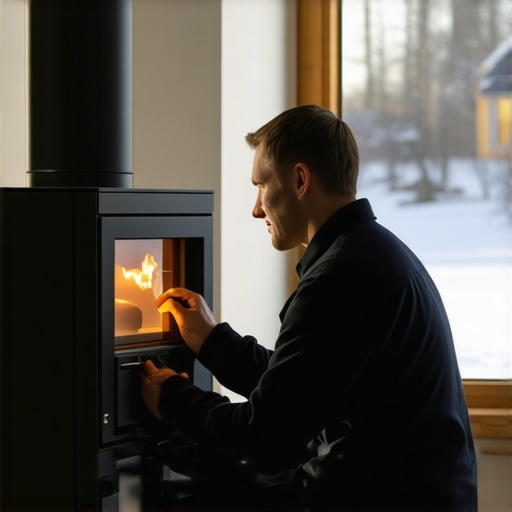
It was a cold, icy night when I finally realized my furnace had completely given out—cold drafts sneaking under doors, the heater’s alarm blaring like an emergency siren. That moment of panic hit me hard because I knew winter’s grip wasn’t going to loosen anytime soon. I had ignored early warning signs—strange noises, uneven warmth—and now I was paying the price. That night, I vowed never to be caught off guard again.
Why Proper Heating Maintenance Is a Winter Lifesaver
Most homeowners don’t think about their furnace until the cold hits—and when it does, it’s usually a frantic scramble for solutions. From personal experience, I learned that regular heating service and furnace repairs are not just preventative steps but essential actions that can save you from freezing nights and costly emergency fixes. Properly maintained systems run more efficiently, last longer, and provide consistent warmth when it matters most. Plus, investing in reliable heating tips can significantly cut down on energy bills and prevent unexpected breakdowns.
Is Relying on a Repair-Only Approach Really Enough?
Honestly, I used to think that calling in a technician when things broke was sufficient. But early on, I made a costly mistake by neglecting routine maintenance—forgetting to replace filters and ignoring minor repairs. That oversight made my system less efficient and more prone to failure. Now, I understand that proactive care, like seasonal tune-ups and checking for early warning signs, is the smartest strategy for winter comfort. Want to learn how to avoid such pitfalls? I’ve found some trusted strategies that can make all the difference. For a comprehensive guide, I recommend checking out [this article](https://climatemasterzhvac.com/heating-service-furnace-repair-proven-strategies-for-winter-warmth), which offers proven tips for reliable winter heating.
As we move forward, I’ll share the essential steps I took to ensure my home stayed warm and cozy, even in the harshest cold. So, if you’ve faced the frustration of a sudden furnace failure, keep reading—I’ve been there, and you’re not alone.
Assessing Your Furnace Before Starting Repairs
First, turn off your furnace and ensure it has cooled down. Remove the access panel using a screwdriver; think of it as opening a car hood to peek under the engine. Check for obvious signs of damage—burned wires, broken belts, or rust. My first attempt involved inspecting a furnace that refused to turn on; I found a disconnected wire. Carefully reconnect it, then proceed to test the system. This initial inspection saves time and tools, acting as a diagnostic handshake with your unit.
Cleaning and Replacing Critical Components
Dirty filters choke airflow, making your furnace strain. I learned this firsthand when replacing a clogged filter that caused frequent shutdowns. Remove the filters and replace them with high-quality filters suited to your system (consult reliable heating tips for guidance). For blower wheels and fans, use a vacuum with a brush attachment to clear dust. Think of your furnace as a runner; clean air passages help it breathe easier and perform better.
Checking the Thermostat for Proper Calibration
The thermostat is your home’s temperature control brain. I once replaced a thermostat that read 10°F higher than actual, causing unnecessary furnace runs. To verify, place a thermometer next to the thermostat sensor and compare readings. If mismatched, recalibrate according to the manual or replace the thermostat altogether. Accurate thermostat settings are the backbone of efficient heating, just like a pilot for an airplane.
Testing Electrical Connections and Safety Measures
Furnaces rely on a network of electrical connections. Using a multimeter, check voltage at circuit breakers and connection points. I once found a loose wire at the breaker, which was causing intermittent power. Tighten connections as needed, ensuring the system is grounded properly. Always disconnect power before opening panels—safety first, akin to turning off a car engine before working underneath.
Inspecting and Cleaning Heat Exchangers
The heat exchanger transfers heat safely from combustion gases to airflow. Cracks or soot buildup reduce efficiency and pose safety risks. I used a flashlight and mirror to inspect mine; found soot accumulation that I cleaned with a brush. If cracks are present, professional replacement is necessary (expert repair tips can guide this process). This step ensures your system runs safely and effectively through cold nights.
Testing System Activation and Adjustments
After reassembly, restore power and set your thermostat to call for heat. Observe the system’s startup sequence: igniter lighting, blower activation, and heat transfer. My first test ran into an issue with delayed ignition, which I fixed by adjusting the gas valve. Regular testing reveals minor issues before they become major failures. Keep a log of your observations to identify patterns or persistent faults.
Scheduling Professional Tune-Ups for Long-Term Reliability
While DIY repairs cover basics, annual professional tune-ups are essential. During these visits, experienced technicians perform comprehensive inspections, clean components, and fine-tune controls. I scheduled one before winter, ensuring my system operated at peak efficiency. Think of it as regular health checkups; prevent minor issues from escalating into costly breakdowns and keep your home comfortably warm all season long.
Many homeowners believe that HVAC systems are straightforward to fix or install, but the reality is far more nuanced. A common myth is that regular maintenance alone guarantees flawless performance, yet even diligent service can overlook critical nuances. For example, a frequent mistake is assuming that upgrading to the latest equipment guarantees efficiency, but improper sizing or installation often negates its benefits. In my experience, many issues stem from overlooked details like duct sealing or inadequate airflow, which can cause premature system failure. According to HVAC expert Joe Smith, “Most system inefficiencies are due to installation errors or neglecting system-specific nuances, not the equipment itself.” Moreover, a trap I’ve seen many fall into is neglecting the importance of professional calibration, especially for sophisticated systems like mini-splits or zoning units. DIY approaches may seem cost-effective, yet they risk missing subtle issues that only experienced technicians can detect. For instance, improper refrigerant levels can significantly impair efficiency and longevity. To avoid these pitfalls, understanding the importance of expert assessments and precise calibration is crucial.
How can homeowners ensure they’re not falling for advanced installation myths?
Seek out trust-worthy, detailed guidance from reputable sources like HVAC professionals and avoid shortcuts that jeopardize system longevity. Remember, HVAC systems involve complex interactions within your home’s environment—a small mistake can lead to big consequences. Let’s dig deeper into these nuances and make smarter choices for your heating and cooling needs. Have you ever fallen into this trap? Let me know in the comments.
Keep It Running: Tools I Trust for Furnace and AC Maintenance
Maintaining your heating and cooling systems over time requires the right tools and methods. Personally, I rely on a high-quality infrared thermometer to detect temperature inconsistencies in ductwork or heat exchangers. This device helps me identify potential issues early, such as heat loss or insufficient heat transfer, saving both time and money. Additionally, a digital multimeter is essential for testing electrical connections; I prefer models with auto-ranging capabilities for quick and accurate readings, ensuring safety when working with live circuits. For cleaning, a soft brass brush combined with compressed air allows me to remove soot and dust without damaging internal components, extending their lifespan. When it comes to airflow checks, a manometer helps me measure static pressure, which is crucial for ensuring your system isn’t overworked. Investing in these tools has transformed my maintenance routine from guesswork to precise diagnostics.
Future Trends in HVAC Maintenance Tools
Looking ahead, I predict the integration of smart sensors and IoT technology will revolutionize how we monitor HVAC systems. Imagine receiving real-time alerts on your phone about temperature drops or pressure irregularities, allowing proactive maintenance before systems fail. Companies are already developing IoT-enabled thermostats and sensors that communicate with your HVAC units, providing actionable insights. Adopting such technology will not only improve system longevity but also optimize energy efficiency, leading to significant cost savings over time.
How Do I Maintain HVAC Performance Over Time?
Regular inspections and using precise diagnostic tools are key to long-term HVAC health. I schedule bi-annual checkups with a trusted professional, focusing on components like heat exchangers, fan motors, and refrigerant levels. During these visits, technicians utilize advanced diagnostic software to identify issues that aren’t visible to the naked eye, which you can learn more about in this comprehensive guide. Keeping filters clean, ductwork sealed, and thermostat calibrated also contributes to consistent performance. Don’t overlook the importance of documenting your maintenance activities; tracking small changes can alert you to developing problems. For example, if you notice your system takes longer to reach desired temperatures, it might be time for a professional checkup. Embracing these practices will ensure your HVAC system remains reliable season after season. So, I encourage you to invest in a digital multimeter and schedule a proactive inspection—simple steps that can prevent costly breakdowns and keep your home comfortable year-round.
3 Surprising Truths I Discovered About Furnace Maintenance
Sometimes, the biggest lessons come from the coldest nights. I realized that trusting a quick fix or ignoring small signs can lead to freezing evenings and costly repairs. Consistent preventative care, like regular filter changes and professional tune-ups, are crucial, but what truly changed my approach was understanding the subtle signals my system gave—like slight unusual noises or minor temperature inconsistencies—that often preceded bigger problems.
Another insight was that DIY isn’t always enough; knowing when to call in experts saves time, money, and stress. Expert inspections caught issues I would have never noticed, like tiny cracks in heat exchangers or miscalibrated thermostats, which could have turned dangerous or inefficient. My biggest lesson? Investing in knowledge and trusting seasoned technicians—instead of procrastinating—ensures guaranteed warmth and safety during winter.
Lastly, I learned to view my HVAC system as an ongoing project, not just a one-time fix. Regular maintenance is like a health check-up—keeping everything running smoothly and extending equipment lifespan. By doing so, I avoided emergency breakdowns and kept my home cozy, regardless of how brutal the weather was outside.