The Sound of a Dying Compressor and the Smell of a Scam
I’ve spent thirty years melting in 130-degree attics and losing the feeling in my fingertips on winter rooftops. I know the smell of a compressor burnout before I even pull the service panel—it’s a sour, acidic stench that sticks to your skin for three days. But lately, there’s a new smell in the HVAC industry, and it smells like a ‘Sales Tech’ looking for a commission check. Last month, I followed a guy who told a young couple their five-year-old R-410A system was ‘illegal’ to repair because of the upcoming 2026 regulations. He quoted them $19,000 for a new 20-SEER2 unit. I walked in, found a blown $40 dual-run capacitor, swapped it out, and the unit kicked on like a champ. That tech wasn’t a technician; he was a shark in a polo shirt. As we head into 2026, the industry is shifting, and if you aren’t careful, you’re going to fall right into the traps set by these high-pressure sales shops.
Trap #1: The A2L ‘Mildly Flammable’ Scare Tactic
The biggest shift in 2026 is the total transition to A2L refrigerants like R-454B and R-32. The EPA is phasing out the old R-410A ‘juice’ because of its high Global Warming Potential. Now, the sales guys will tell you that you must replace your system now because the new stuff is ‘flammable.’ Let’s talk physics. A2Ls are ‘mildly flammable,’ meaning they are incredibly hard to ignite and have a low heat of combustion. You’d need a massive leak and a direct flame source to see any action. However, these new systems require internal leak sensors and specialized controls. The trap is buying a ‘clearance’ R-410A unit in late 2025 or 2026. You might save $1,000 now, but in ten years, when you need a heating service or a refrigerant recharge, the price of that legacy gas is going to be astronomical. You aren’t saving money; you’re buying a ticking financial time bomb.
“EPA Section 608 regulations mandate the phase-down of HFCs, significantly impacting the availability and cost of R-410A in the coming decade.” – EPA Regulatory Summary
Trap #2: The ‘Bigger is Better’ Thermodynamic Nightmare
In the humid South, sizing isn’t just about ‘horsepower’; it’s about latent heat removal. I see this every summer: a homeowner thinks a 5-ton unit will cool their house faster than a 3-ton unit. They spend the extra money for a massive AC installation, and suddenly their house feels like a cold, damp swamp. Here is the ‘Thermodynamic Zooming’ on why that happens: your evaporator coil needs to stay below the dew point long enough to wring the moisture out of the air. If the unit is oversized, it hits the thermostat setpoint in ten minutes and shuts off. This is called ‘short cycling.’ The air gets cold (sensible heat), but the humidity (latent heat) stays in the drywall and carpets. A unit that runs for a long, steady cycle is a dehumidifier; a unit that cycles on and off is just a mold factory. If your tech doesn’t do a Manual J load calculation, show him the door.
“The most expensive equipment in the world cannot overcome a bad duct system or an improperly sized load.” – Industry Axiom
Trap #3: The 20-SEER Unit on a 10-SEER Duct System
This is where the ‘Tin Knockers’ (duct guys) and the sales techs clash. You can buy the most efficient, inverter-driven mini-split or central air handler on the market, but if you hook it up to your existing, undersized, 1990s ductwork, you’ve just wasted your money. High-efficiency units are sensitive to static pressure. It’s like trying to run a marathon while breathing through a cocktail straw. When the static pressure is too high, the variable-speed motor works twice as hard to push the air, burning itself out in five years instead of twenty. I see homeowners fall for the ‘SEER trap’ every day. They pay for a Ferrari engine but keep the rusted-out muffler. You need to look at the ‘Total External Static Pressure.’ If your tech isn’t using a manometer to check your return air drop, he’s just guessing. And in this trade, guessing is expensive. [image_placeholder_1]
The Reality of Furnace Repair and 2026 Standards
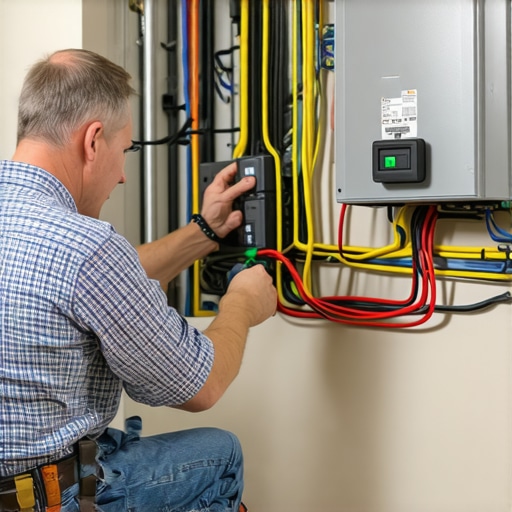
Don’t think your furnace repair is safe from these changes either. As we move toward 2026, the integration between the air handler and the outdoor condenser is becoming more complex. We’re talking about communicating boards that speak to each other via proprietary protocols. If you have a ‘Sparky’ (electrician) or a handyman try to ‘hot-wire’ a new 2026-compliant heat pump to an old furnace, you’re going to fry the control board faster than a dropped wrench across a transformer. The modern HVAC system is a computer that happens to move heat. You need a tech who understands the physics of the refrigeration cycle—the subcooling and the superheat—not just someone who knows how to slap some ‘Pookie’ (mastic) on a leaky duct and call it a day.
Conclusion: Comfort is Physics, Not Magic
At the end of the day, you aren’t buying a box of metal. You’re buying a controlled environment. If you’re looking at a new installation in 2026, ignore the shiny brochures and the ‘limited time’ discounts. Focus on the airflow, demand a load calculation, and make sure the tech knows the difference between a liquid line and a suction line (which should be ‘beer-can cold’ on a properly charged system). Don’t let a sales tech scare you into a decision based on the R-410A phase-out. Do your homework, check your static pressure, and remember: if the price seems too good to be true, they’re probably cutting corners on the commissioning. And in HVAC, the commissioning is where the real work happens.